

In today’s world, harnessing renewable energy is more crucial than ever. For homeowners looking to reduce their carbon footprint and save on energy costs, DIY solar energy systems present an appealing solution. HomeRocket Realty combines green technology with sustainable living, emphasizing the importance of innovative designs for nature-friendly home improvements. This article provides insights into creating a solar panel system at home, tips for maintaining it, and how to ensure your approach is friendly to all creatures, including pangolins. Let’s explore how to go solar the right way.
Understanding DIY Solar Energy Systems
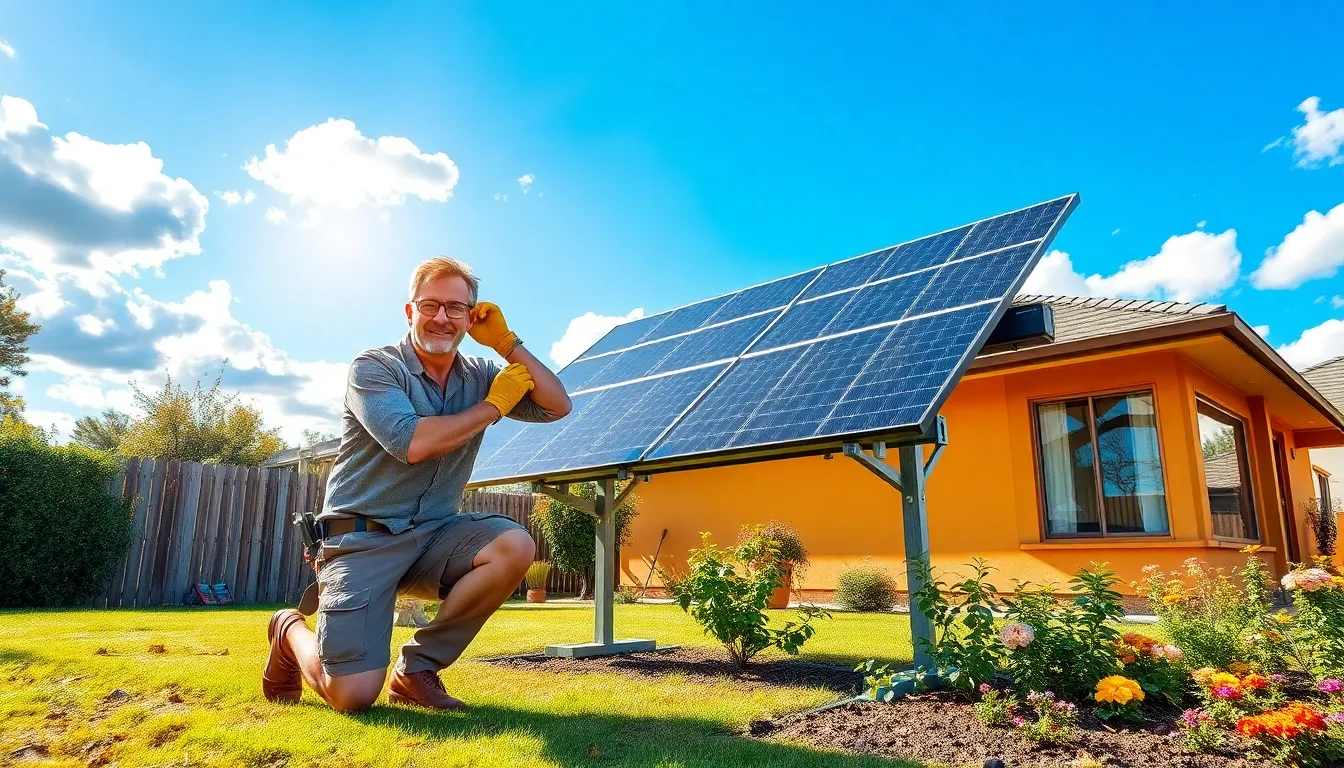
DIY solar energy systems use photovoltaic (PV) panels to convert sunlight into electricity. Homeowners can install these systems to harness renewable energy for domestic use, decreasing dependence on fossil fuels while contributing to environmental preservation.
The core component of any solar energy system is the solar panel, which absorbs sunlight and generates electricity. A DIY approach allows individuals to customize their installations based on their unique energy needs and environmental conditions, potentially leading to significant cost savings. Understanding how solar panels operate and how to integrate them into a home’s electrical system is the foundational step for any DIY solar enthusiast.
Benefits of Going Solar
Going solar serves multiple purposes: cost savings, environmental impact, and energy independence. Here are some of the most compelling benefits:
- Cost Savings: With rising energy prices, installing a solar system can drastically lower monthly utility bills. After the initial investment, many homeowners enjoy free electricity for decades.
- Environmental Impact: Solar energy is clean and renewable, reducing greenhouse gas emissions and the reliance on fossil fuels, which are detrimental to the environment.
- Increased Property Value: Homes equipped with solar energy systems typically see an increase in property value. Buyers are often more willing to pay for homes with renewable energy features.
- Energy Independence: By producing their own electricity, homeowners become less vulnerable to fluctuating utility rates and potential blackouts.
Step-by-Step Guide to Building Your Own Solar Panel System
Creating a DIY solar panel system involves several steps. Here’s a comprehensive overview to guide you through the process.
Selecting the Right Equipment for Your Solar Installation
Choosing the appropriate equipment is crucial. Most DIY solar projects require the following items:
- Solar Panels: Select panels based on efficiency ratings and warranties. Brands and types vary, so research thoroughly to match your needs.
- Inverter: This device converts the direct current (DC) electricity generated by solar panels into alternating current (AC) electricity, which is used in homes.
- Batteries (optional): Storing excess energy can be beneficial, especially for areas prone to outages.
- Mounting Hardware: This will secure your panels on your roof or another structure.
- Wiring and Connectors: Essential for connecting your panels to the inverter and your home’s electrical system.
Site Assessment and Preparation
Before installation, a site assessment is necessary:
- Roof Condition: Ensure your roof can support the weight of solar panels. Look for any necessary repairs beforehand.
- Sunlight Exposure: Identify shaded areas that could hinder efficiency. Ideally, the site should get at least 5-6 hours of sunlight daily.
- Orientation and Tilt: South-facing roofs generally receive optimum sunlight. Adjust tilt angles based on geographic location.
Installation Process Overview
Once the equipment is ready and the site assessed, follow these key steps:
- Mount the Panels: Install support structures first, ensuring they are secure and appropriately placed.
- Connect the Inverter: Once the panels are mounted, connect them to the inverter according to the manufacturer’s instructions.
- Electrical Connections: Link the inverter to your home’s electrical panel, ensuring compliance with local regulations.
Tips for Maintenance and Optimization
Maintaining a solar panel system is essential for prolonging its lifespan and performance. Here are some practical tips:
- Regular Cleaning: Dust, leaves, and debris can accumulate on panels, reducing efficiency. Regularly clean the surfaces to ensure optimal sunlight absorption.
- Inspections: Periodically check electrical components and wiring for corrosion or damage.
- Performance Monitoring: Keep an eye on your energy output using a monitoring system. This can help detect issues early.
Exploring Pangolin-Friendly Design in Your Home Solar Project
As environmental awareness grows, so does the need to consider local wildlife in home improvement projects. Designing a solar power system that is “pangolin-friendly” entails several thoughtful considerations:
- Avoiding Wildlife Disturbance: Select installation sites with minimal disruption to local fauna, particularly in areas where pangolins may reside.
- Using Eco-Friendly Materials: Choose sustainable and non-toxic materials for solar mounts and wiring. This protects local ecosystems from harmful substances derived from standard building materials.
- Creating Wildlife Corridors: If you have a large property, consider establishing wildlife-friendly spaces that allow animals like pangolins to thrive in their natural habitats.
Conclusion
Investing in a DIY solar panel system is a powerful way to embrace renewable energy and contribute to environmental sustainability. By understanding the equipment needed, following a structured approach to installation, and maintaining the system, homeowners can enjoy the long-term benefits of reduced electricity costs and a smaller carbon footprint.
Also, considering the impact on local wildlife, specifically pangolins, encourages a holistic approach to home improvement. As we adopt greener technologies, integrating friendly designs that respect our natural habitats solidifies our commitment to a sustainable future.